

25 Years on the Climate Beat

25 Years on the Climate Beat

Essential Air Purifiers for Cleaner Indoor Air Quality

essential-air-purifiers-for-cleaner-indoor-air-quality

essential-air-purifiers-for-cleaner-indoor-air-quality

Published

Topic

Share

If you’ve ever stepped back inside after a walk and immediately noticed the difference in air quality, you’re not alone. Indoor air can harbor everything from dust and pollen to pet dander and invisible allergens, making it surprisingly more polluted than the fresh air outside. With more time spent indoors these days, creating a healthier environment within your own four walls has never felt more important—and an essential air purifier can be your secret weapon.

Choosing the right air purifier isn’t just about eliminating dust bunnies or masking odors. It’s about ensuring that every breath you take at home is as pure as possible, especially for those sensitive to allergies, asthma, or simply striving for a cleaner lifestyle. From smart features to powerful HEPA filters, the latest purifiers do much more than just hum in the background—they actively transform your indoor air quality in ways you can feel.

How Gadget Reports Review Products

At Gadget Reports, our goal is to deliver honest, reliable insights that actually help you make better buying decisions. We don’t just skim manufacturer specs—we get hands-on with every product we review, testing gadgets in real-world situations so you know exactly what to expect. Our team spends hours putting each device through its paces, looking for both strengths and weaknesses.

We believe trust starts with transparency. That’s why we share not just our top picks, but our complete testing process. You’ll always know why a product made our list or why we gave it a thumbs-down.

Here’s what goes into every review:

– Hands-on testing in real-life scenarios
– Comparison with competing products
– Assessment of build quality, performance, and value
– Honest reporting on both pros and cons
– No-nonsense recommendations, free from paid influence
GermGuardian AC4825

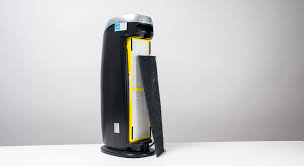
When it comes to affordable, effective air purification, the GermGuardian AC4825 stands out as a perennial favorite among allergy sufferers, pet owners, and anyone serious about improving indoor air quality. Its slim tower design means it's easy to tuck away in a corner, yet it packs a powerful punch when it comes to freshening up rooms up to 167 square feet—think bedrooms, home offices, and small living spaces. The unit’s black exterior, accented by subtle blue lighting, effortlessly blends into most decor styles, so you don’t have to sacrifice style for cleaner air.

Key Features:
  • - True HEPA Filter - Captures 99.97% of dust, allergens, pet dander, and mold spores as small as 0.3 microns.
  • - UV-C Light Technology - Helps kill airborne germs, bacteria, and viruses for enhanced air purification.
  • - Three-Speed Fan - Customizable fan settings allow you to control purification intensity and noise levels.
Pros:
  • - Powerful Purification - Delivers excellent results in smaller rooms, helping reduce symptoms for allergy and asthma sufferers.
  • - User-Friendly Design - Simple controls and straightforward filter replacement make it easy to use out of the box.
  • - Affordable Maintenance - Replacement filters and bulbs are widely available and reasonably priced.
  • - Durable Build - Many users report years of reliable service with minimal issues.
Cons:
  • - Limited Coverage Area - Best suited for single rooms or small apartments; not ideal for large open spaces.
  • - No Smart Features - Lacks Wi-Fi, timers, or auto mode, which may disappoint those seeking more automation.
  • - Noticeable Fan Noise on High - While quiet on low, the highest setting can be intrusive for noise-sensitive people.
  • - Basic Aesthetics - Functional, but may lack the stylish flair of high-end purifiers.
View Product

FAQs on Essential Air Purifiers for Cleaner Indoor Air Quality

The size of the air purifier you need depends on the square footage of your room. Most manufacturers indicate a recommended room size for their devices, usually measured in square feet or meters. To ensure optimal performance, choose an air purifier with a Clean Air Delivery Rate (CADR) that matches or exceeds the dimensions of your space. As a rule of thumb, for small bedrooms (up to 150 sq. ft.), a compact model will suffice, while larger living rooms or open-plan spaces (up to 500 sq. ft. or more) require more powerful units. Always check the specifications before purchasing.

Yes, many air purifiers are designed to help reduce airborne viruses and bacteria, but effectiveness varies by model and technology. True HEPA filters can capture particles as small as 0.3 microns, which includes some bacteria and many viruses attached to larger aerosols. Some units also use UV-C light or other advanced technologies specifically aimed at killing or deactivating microorganisms. However, no home air purifier can guarantee the complete removal or inactivation of all pathogens, so they should be used as part of a comprehensive approach to indoor air quality.

Replacement frequency depends on the type of filter and usage, but generally, HEPA filters should be replaced every 6 to 12 months, while carbon or pre-filters may require maintenance every 3 months. Some models have filter change indicators that alert you when it’s time for a swap. Consistently replacing filters is crucial for the air purifier’s performance—dirty filters can’t trap pollutants effectively, defeating the purpose of having the unit.

Most modern air purifiers are designed with multiple fan speeds, including quiet or sleep modes for nighttime use. Noise levels can vary: some larger or high-powered models can be noticeable at their highest settings, but at their lowest, they’re typically no louder than a soft hum or white noise. If you’re especially sensitive to sound, check the decibel rating (dB) in the product specifications and consider models known for ultra-quiet operation.

Absolutely! Air purifiers, especially those equipped with HEPA filters, are highly effective at capturing common airborne allergens, such as pollen, dust mites, mold spores, and pet dander. This can make a significant difference for allergy sufferers or households with pets by minimizing exposure to triggering particles. For the best results, opt for purifiers rated for allergens and keep them running regularly in rooms where allergen levels are highest.

We test the tech so you don’t have to. Honest gadget reviews, expert insights, and everything you need to upgrade smart.

Topics

Go To