


Picking the wrong charger is one of the worst nightmares, as it can quietly put your phone’s battery health at risk. We’ve all made that mistake: getting a charger that takes forever to reach even 80%, overheats at the worst times, and is unreliable when we need it most. And once you have multiple devices, that problem only gets worse. That’s where Anker steps in, specifically with two of its most talked-about charging techs: the Anker Prime and GaNPrime. Both promise faster, safer, and more efficient charging, but which tech is better and makes the most sense for you? Let’s get into it!
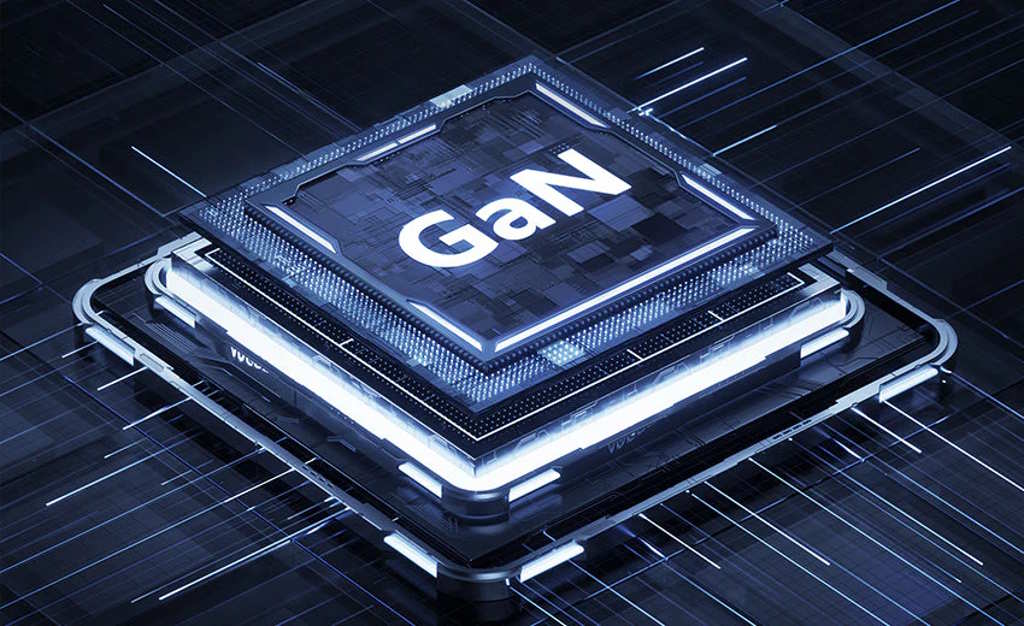
GaN (Gallium Nitride) Material
At the core of both Anker Prime and GaNPrime is the same breakthrough: GaN, or gallium nitride. Compared to traditional silicon, GaN allows chargers to run more efficiently, generate less heat, and shrink down in size without sacrificing power. In real-world use, this is why you can carry a compact brick that still charges your laptop at full speed. We’ve tested plenty of chargers over the years, and GaN is one of those upgrades that genuinely changes how you charge.
Both lines from Anker are built on the same foundation, so no matter which charger you choose, you’re getting the same core efficiency benefits. The difference lies in how each lineup uses that technology, which we’ll explore next.
See on:
Power Output
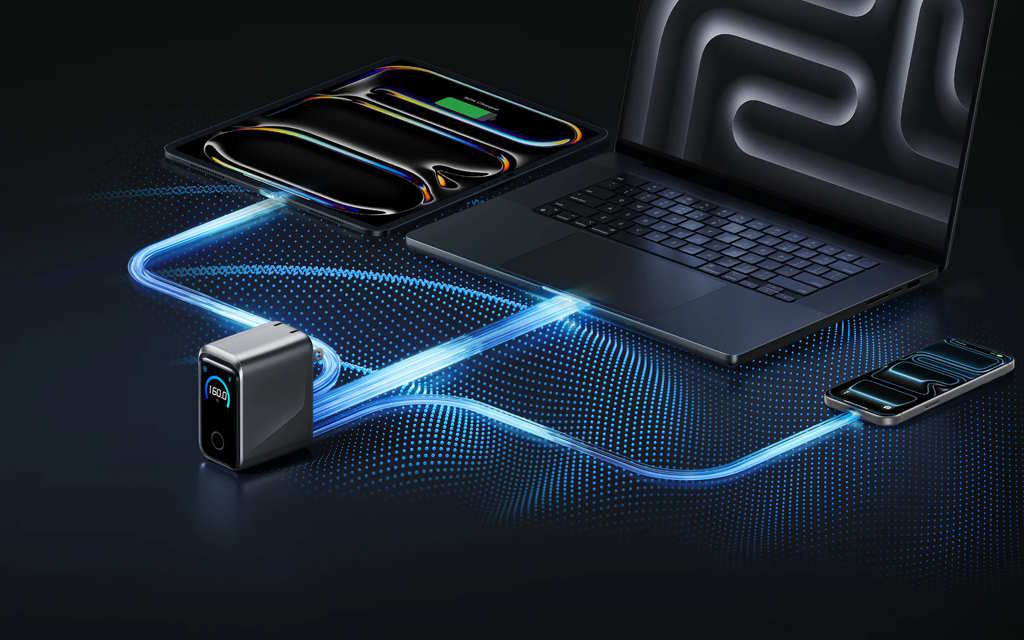
This is where things start to separate. With the Anker Prime lineup, power isn’t just high but also aggressively optimized for multi-device users. Take the Anker Prime Charger (160W, 3 Ports, Smart Display) as an example. This charger is designed to handle a laptop, phone, and another device all at once without significantly slowing down with its ultra-fast charging technology. In our experience, this kind of output makes a real difference if your setup includes power-hungry devices like a MacBook or gaming handheld.
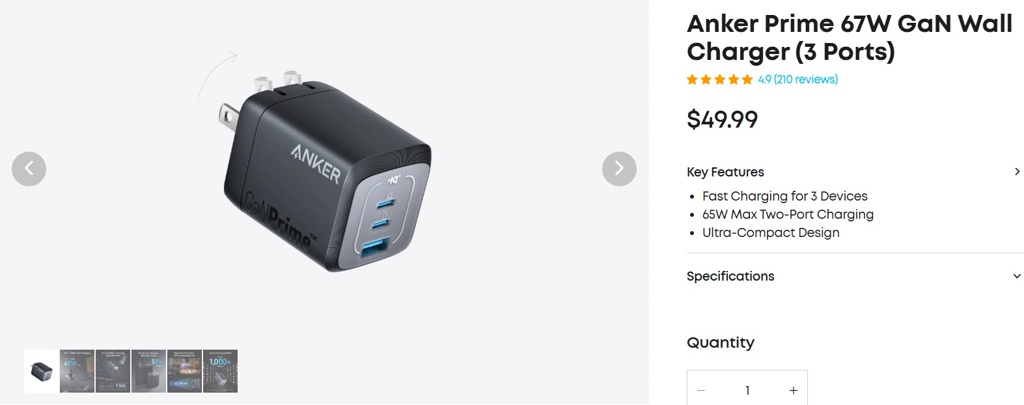
On the GaNPrime side, chargers like the Anker Prime 67W GaN Wall Charger (3 Ports) still deliver fast, reliable charging, but with more limitations when multiple devices are plugged in. You’ll notice power gets split more conservatively, which is perfectly fine for phones, tablets, and light laptop use. For everyday users, it’s more than enough. However, if you regularly push your charger to its limits, Prime clearly pulls ahead.
See on:
Smart Features
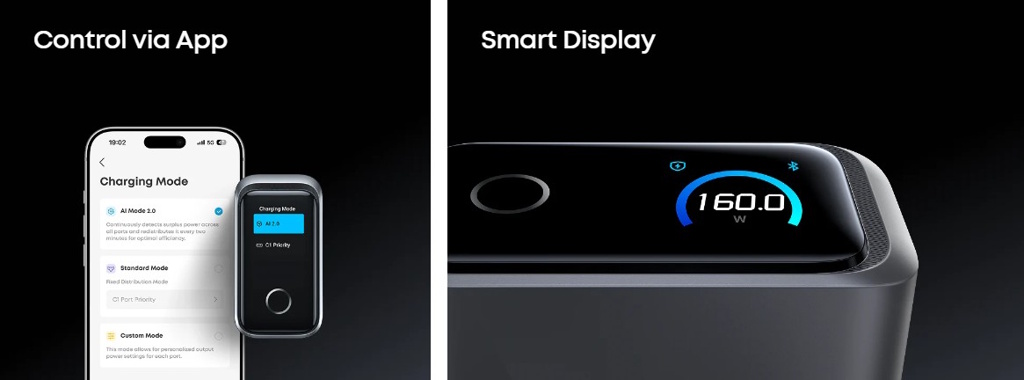
Anker Prime isn’t just about raw power, but it’s also about control. Again, let’s use the Anker Prime Charger (160W, 3 Ports, Smart Display) as an example. This smart charger comes with real-time power monitoring through a built-in display. We found this surprisingly useful, especially when trying to understand how power is being distributed across devices. It adds a layer of transparency that most chargers don’t offer. On top of that, you can also control the charger using the app.
GaNPrime, on the other hand, keeps things simpler. The Anker Prime 67W GaN Wall Charger (3 Ports), for instance, focuses on delivering stable, efficient charging without extra bells and whistles. There’s no display or app integration, just plug and go. For a lot of people, that’s actually a plus. But if you like having more insight and control over your charging setup, Prime feels like a clear step forward.
See on:
Ecosystem
One thing we’ve noticed is that Anker Prime feels like part of a bigger picture. It’s not just a charger. Instead, it’s part of a broader ecosystem that includes high-capacity power banks, charging stations, and desk setups designed to work seamlessly together. If you’re building a clean, high-performance charging setup across multiple devices, Prime fits into that vision effortlessly.
GaNPrime products, while excellent, tend to feel more standalone. The Anker Prime 67W GaN Wall Charger (3 Ports) works great on its own, but it doesn’t necessarily connect into a larger system in the same way. That’s not a dealbreaker, though. It just means GaNPrime is better suited for users who want a reliable charger without thinking too much about long-term setup or expansion.
See on:
Price
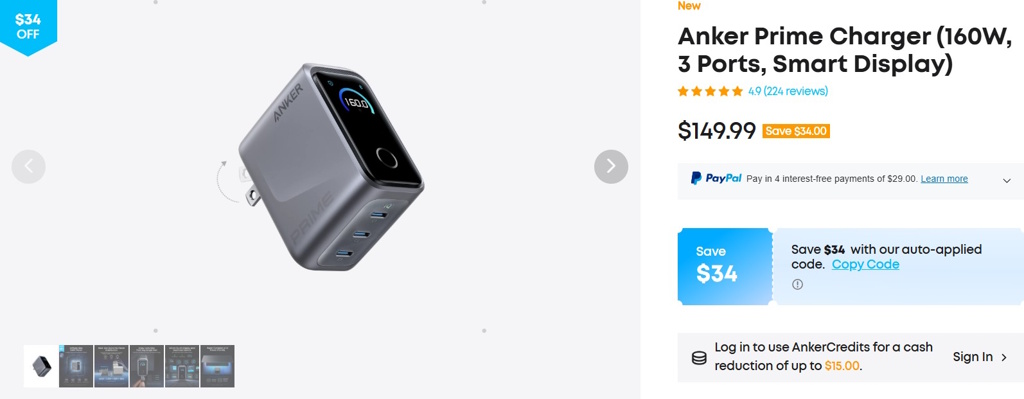
Let’s be honest, price plays a huge role in this decision. Anker Prime sits firmly in the premium category, and the Anker Prime Charger (160W, 3 Ports, Smart Display) reflects that. As of this writing, it costs USD 149.99. You’re paying for higher output, smarter features, and a more future-proof design. From our perspective, it feels justified if you’re actually going to use those advantages daily.
GaNPrime is where things get more accessible. The Anker Prime 67W GaN Wall Charger (3 Ports) delivers excellent performance at a more reasonable price point, making it a strong value pick. If your charging needs are relatively simple, it’s hard to argue against it. You’re still getting Anker-level reliability, just without the premium extras.
See on:
Which One You Should Pick?
If you’re someone who charges multiple devices at once, especially laptops, and want the fastest, smartest charging experience available, Anker Prime is the clear choice. We’d recommend it for power users, frequent travelers, or anyone building a dedicated desk setup.
However, if your needs are more straightforward (think phone, earbuds, maybe a tablet), the GaNPrime lineup will serve you just as well. They tend to hit the sweet spot between performance and price, and for most people, that’s exactly what matters. At the end of the day, it’s not about which one is better, but it’s about which one actually fits how you charge.
See on:

What is the difference between Anker and Anker Prime?
Anker is the overall brand that makes a wide range of chargers and accessories, while Anker Prime is its flagship charging lineup focused on higher power, smarter features, and multi-device performance.
Which is better, a GaN charger or a normal charger?
A GaN charger is generally better because it’s more efficient, charges faster, and produces less heat than a normal charger. That said, a normal charger still works fine for basic use. However, it’s usually bulkier, slower, and less efficient with modern devices.
Do GaN chargers overheat?
GaN chargers can get warm, but they’re designed to run cooler and more efficiently than traditional silicon chargers. As long as you’re using a quality brand like Anker, overheating is very rare under normal use.
Some images on this article are copyrighted by Anker.